Moving across town in Mesa looks simple on paper, yet the costs have a way of multiplying once the calendar tightens and the boxes start stacking in the hallway. A solid budget steadies the process. It turns a vague estimate into a plan you can track, adjust, and live with. The right budget pulls information from your home’s square footage, your packing habits, Mesa’s heat and traffic rhythms, and the quirks of your building or HOA. What follows is a practical guide to building that budget with enough detail to avoid surprises, plus judgment calls from years of seeing residential moving unfold in real driveways and apartment corridors.
Start with the move profile you actually have, not the one you wish you had
Budgets bend when assumptions are rosy. Begin with an honest inventory. A two-bedroom apartment with elevator access can be quicker than a small single-story house if the house has a packed garage, backyard storage, and a piano. For local residential moving in Mesa, time drives cost, and time depends on volume, access, and preparation far more than the distance between addresses.
On a typical local move, truck time, drive time, and load complexity set the pace. Measure your space in terms of how long it took to move in, not just the number of rooms. If you hired help before and it took six hours, expect a similar baseline unless you’ve significantly downsized or plan to move part of it yourself. If you are new to hiring movers, walk room by room and count larger pieces, then add 15 to 25 percent for forgotten items in closets and the garage. Garages in Mesa often carry the hidden burden: sports equipment, home-improvement extras, and heat-worn bins that break when lifted.
The rate types you will see in Mesa
Local moves generally bill by the hour, often with a minimum window that ranges from two to four hours. You will also see travel or trip charges, sometimes flat and sometimes a set number of labor hours added to cover driving to and from the yard. Fuel surcharges appear when diesel spikes. Stairs, long carries, and elevator waits may be folded into hourly time or called out as access fees.
Hourly rates change based on crew size. A two-person crew costs less per hour than three, but the three-person crew often finishes faster. The pivot is to estimate total hours accurately. Some residential moving companies publish ranges that look optimistic. The error margin increases with heavy items, fragile pieces that require padding and taping, and homes with tight turns or long walks to the truck.
For local residential moving Mesa-wide, busy days matter. The first and last week of the month fill fast, as do most Saturdays. Expect rates to be higher or availability to be scarce on those days. If your lease dates allow it, a midweek move can shave time, because crews spend less time waiting in elevators, apartment loading zones, or behind other trucks at the curb.
Build the budget in layers: base, access, packing, and contingencies
Treat your budget like a layered cake: base labor and truck, access conditions, packing materials and labor, and a cushion for the “we didn’t think of that” category.
Start with base labor. For a two-bedroom apartment in Mesa with decent elevator or first-floor access, a two- or three-person crew typically runs in the range of half a day to a full day. A three-bedroom single-story home without garage overflow may finish in six to eight hours. Add drive time between addresses, then round up by 30 to 60 minutes for paperwork and walk-throughs. If you have a heavy outdoor item like a grill, smoker, or concrete planters, add time. Each of those can add a few minutes when padding and staging is handled carefully to prevent scratches on door frames and floors.
Next, write down access conditions. Second-floor walk-ups, older complexes with narrow stairwells, long walks from unit to truck, or neighborhoods with limited curb space all add minutes that compound over the day. HOAs might require a moving certificate of insurance and pre-approved truck placement. Elevators help, but shared elevators slow things down when weekend traffic hits. Note these conditions and assign time to them rather than hoping they will sort themselves out on move day.
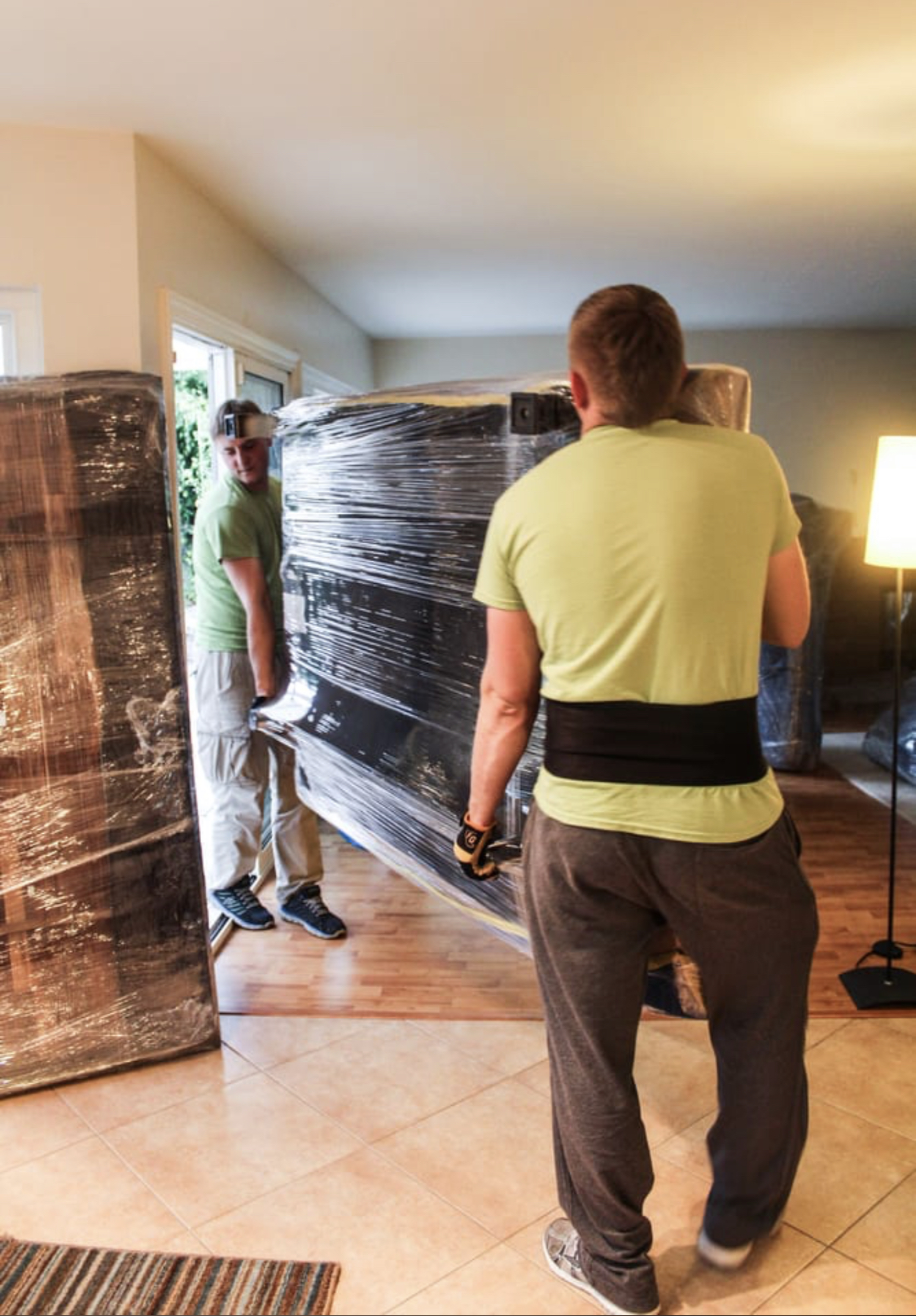
Packing sits in its own category. If you’ll pack everything yourself, you need boxes, tape, paper, and bubble wrap. If you want movers to pack certain rooms or fragile items, add packing labor hours plus the cost of specialty materials. Kitchen packing usually takes longer than customers anticipate because each dish, glass, and mug wants protection. The same goes for wall art and mirrors. Disassembly and reassembly of beds, cribs, dining tables, and exercise equipment belongs here too. A couple of hours across a crew is typical for a family-size household with standard furniture, more if you have bunk beds or adjustable bases.
Last, set a contingency. A 10 to 15 percent cushion covers the extra trip to grab more boxes, running out of tape at 9 pm, the couch that needed the door removed, or the friend who promised to help but fell through. Your future self will be glad you included it.
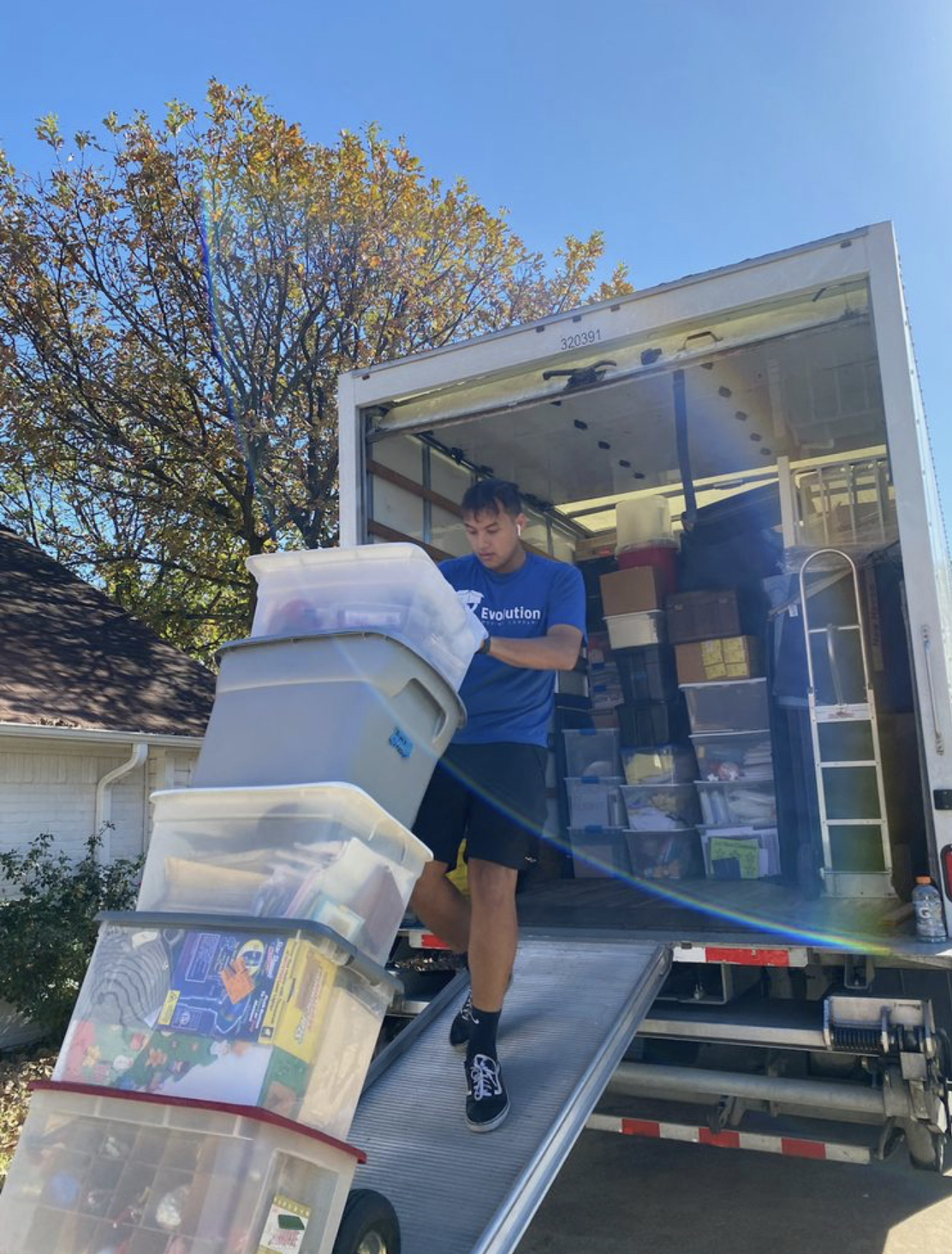
What your boxes really cost, and how to avoid overbuying
The difference between a stress-free pack and a rushed one often comes down to having enough materials. Underbuy and you lose time to second trips. Overbuy and you pay for stacks of leftovers you will never use. For a typical two-bedroom household, plan for 20 to 30 small boxes, 15 to 25 medium boxes, and 10 to 15 large boxes, plus a handful of wardrobe boxes if you prefer to keep clothes on hangers. Dish packs and glass dividers pay for themselves with fragile kitchens, especially if you own stemware or vintage mugs that have survived multiple homes.
Tape quantity surprises people. Three to five rolls disappear quickly when you double-tape bottoms and top seams. One big roll of packing paper might fill only part of a kitchen. Bubble wrap helps with framed art and electronics but do not skimp on paper for dishes and bowls. Newspaper works in a pinch but can transfer ink.
If movers will pack, clarify whether materials are billed at retail rates or itemized by unit. Some moving services provide paper and tape at set bundle prices. If you supply your own materials, that can be fine, but flimsy boxes slow crews and can collapse when stacked, which increases total hours. Good boxes save money by saving time.
Day-of factors that quietly change your bill
Mesa heat affects pace and safety. Summer moves require more hydration breaks and slower carries to prevent heat exhaustion. Plan earlier start times when possible. Morning moves often run smoother, particularly for local residential moving, because crews are fresh and traffic is lighter.
Parking and distance from door to truck matters more than most people think. Every extra 50 feet adds up. If your complex has a loading area, check whether you can reserve it and whether a permit is required. On residential streets, clear cars from your driveway and the curb where you expect the truck to sit. The fewer trips across asphalt, the better.
Children and pets can change the flow. If they are home, the crew will work around them carefully, which introduces small pauses. It is manageable, just account for it. Same goes for packing while movers load. A little overlap is fine, but heavy overlap creates bottlenecks when crew members wait for boxes to be sealed or pathways to be cleared.
When it makes sense to add a third mover
Customers sometimes assume two movers is the frugal choice. For compact moves, that can be true. For larger households, or where there are stairs or long walks, a third mover can cut total hours significantly. With three movers, one person stages boxes and pads furniture while the others shuttle, which keeps the truck loading efficiently. The hourly rate is higher, but the combined hours often drop enough to balance or even beat the two-person total. If the home has a piano, large sectional, or safe, a third mover also reduces risk of damage and injury, and the team finishes fresher, which matters in the last hour when precision counts.
Case notes from Homelove Movers - AZ: where budgets went right
Homelove Movers - AZ has handled enough local residential moving work in Mesa to see patterns in what keeps costs predictable. The households that budget well share a few habits. They pre-stage boxes in rooms close to the exit path, break down beds before move day if they are comfortable doing so, and unplug and coil electronics with labels on the cords. They clear surfaces ahead of the crew’s arrival so movers can wrap and carry without repacking small items on the fly. They also confirm elevator reservations in buildings that allow them and tape measurements to the wall for art placement at the new home, which streamlines the unload and setup.
One practical detail from the field: label each box on two sides, not just the top. In a packed truck, tops are not visible. Besides saving time, labels minimize the back-and-forth questions that slow down hallway placement. For complex room layouts, color-coded tape keeps things straightforward. Crews get into a rhythm, and rhythm is speed without rushing.
Estimating your hours: a workable approach
Estimating hours is the heart of the budget. Break it across three parts: load, drive, and unload. Loads are slower than unloads when the crew wraps and pads furniture and navigates stairs or tight doorways. Unloads pick up speed as pathways become clear. Drive time is driven by distance, traffic windows, and whether the addresses are in areas with school zones or construction. In Mesa, count on unpredictable slowdowns near major arterials during rush windows, especially if your move crosses the US 60, Loop 101, or Loop 202 corridors.
Here is a quick framework you can adapt:
- Studio or one-bedroom with easy access: 3 to 5 hours with two movers, plus drive time. Two-bedroom apartment with elevator or first-floor: 5 to 7 hours with two to three movers, depending on volume. Three-bedroom single-story home: 6 to 8 hours with three movers, longer if the garage is full. Two-story three-bedroom: 7 to 9 hours with three movers, since stairs add staging time.
These ranges assume average packing preparation. If your kitchen includes lots of fragile items and you want the movers to pack them, tack on extra packing hours. If you have a minimalistic setup and everything is boxed two days ahead with clear labels, you might land on the low end.
The role of residential moving companies in special items
Not every local move includes a baby grand piano, but many include something tricky: a glass display cabinet, a treadmill with a stubborn latch, a Tempur-Pedic adjustable base, or a gun safe. Residential moving companies that handle these regularly will ask early about dimensions, weight, and path clearance. Expect extra fees or added time, and do not be surprised if they suggest separate timing for a specialty item or more crew for a short window to handle one lift. That extra half-hour of planning can save ninety minutes of trial and error.
How Homelove Movers - AZ structures a Mesa move for budget clarity
When Homelove Movers - AZ scopes a local residential moving project, the first step is a brief but focused conversation about inventory and access. Photos help, especially of staircases, elevators, and the largest items. A site visit is sometimes worth it for larger homes, but in many cases clear photos and a measured assessment do the trick. The team then proposes a crew size that matches the volume and access, with a transparent minimum and realistic hourly estimate. If you want partial packing, they slot those hours separately so you can see how changes affect the total. That makes it easier to decide whether you want to pack the bedrooms while they handle the kitchen, or vice versa.
https://www.homelovemovers.com/An overlooked detail is timing on the unload side. If your new address is in a gated community, ensure the gate codes are active on the date and time of move-in. A ten-minute wait at the gate repeats every time a crew member needs to re-enter. The Homelove Movers - AZ crews carry heavy-duty floor runners for tile and wood floors, which prevents the tiptoeing that slows moves. They also pre-wrap doorjambs with padding when needed, which reduces nicks and the cleanup that follows, another quiet time saver.
Avoiding scope creep on pack day
Scope creep sinks budgets. It happens when the plan expands under pressure: more items get added, or rooms that were supposed to be packed by the family remain untouched. To defend against this, finalize what goes and what stays at least two days before move day. Box closets, seasonal storage, and decorations early. On pack day, cordon a no-pack zone with items you need immediate access to: medications, chargers, a small tool kit, a change of clothes, and essential documents. Moving services will not typically handle perishables or hazardous materials, so get rid of propane canisters, paints, and aerosols ahead of time.
If something must change, communicate it as soon as you know. Crews can often adjust sequencing when they see the full picture early. Last-minute surprises are still manageable, but they carry a time premium.
Insurance, valuation, and what “covered” really means
Budgeting only for time and materials misses a key financial layer: what happens if something breaks. Local moves include basic valuation coverage by default, usually at a per-pound rate that does not reflect replacement value. If a flat-screen or heirloom dresser takes damage, basic valuation may feel hollow. Ask about full value protection or higher valuation limits, and price those options. The cost is typically modest compared to the potential hit if a rare item is damaged. Note what is excluded, how claims are filed, and the timelines. Take clear, time-stamped photos of high-value items before the move, not to assign blame, but to streamline resolution if something happens.
Two short checklists to keep your budget grounded
Pre-move planning checklist:
- Confirm elevator, loading zone, and HOA requirements for both addresses. Stage packed boxes near exits, label two sides, and disassemble what you’re comfortable handling. Set aside a no-pack essentials kit with documents, meds, chargers, and a few tools. Photograph high-value items and note preexisting wear for fair claims handling. Clear driveway and curb space and share gate codes and parking details with your crew.
Day-of efficiency checklist:
- Walk the crew captain through the home and highlight fragile items first. Confirm the load path, then let the team work without constant redirects. Keep doorways and hallways free of extra family traffic and pets. Have water available, especially in summer, to keep pace steady and safe. During unload, point once per room and let the crew place all similar items together before fine-tuning.
Tipping, fees, and the true “all-in” number
Gratuities are optional but common when service is strong. Some customers budget a percentage, others a flat amount per mover. Build it into your plan if you intend to tip, so it does not feel like a surprise after a long day. Confirm whether your building requires a certificate of insurance and whether there are any fines for unreserved loading areas. If the move involves appliances, ask about installation policies. Many residential moving companies will disconnect and reconnect washers or refrigerators only under specific conditions or not at all. If you need a plumber or electrician, schedule them so the move does not stall waiting for hookups.
Fuel charges on local moves are generally straightforward. If there is a separate fuel line item, understand how it is calculated. Road tolls are uncommon on Mesa routes, but road closures due to events or construction do occur. Check the city calendar if you are near popular venues.
The psychology of the last eight boxes
Every move slows near the end. Energy dips, decisions get fuzzier, and the odd items that never found a box sit on a counter waiting for attention. Those last eight boxes decide whether you finish inside your planned hours or drift past them. The easiest fix is to prepack the junk drawer items and loose electronics the night before. The second fix is to consolidate random items into a “garage staging” box that you will sort after the move. Movers are fast at moving boxes, not at small-item Tetris. Give them boxes, not puzzles.
How to handle timing gaps between keys
Sometimes you need to be out by noon and cannot access the new place until late afternoon. This can add yard time, storage time, or an extra trip. Two strategies can help. If volume is small enough, load everything, then hold on the truck until the new keys are ready. Expect a standby charge, but it might beat the cost of partial offload and reload. If the volume is larger, a short-term storage vault for a day or two can smooth the gap. Ask whether the same crew can return for the unload to maintain continuity and reduce reorientation time.
Homelove Movers - AZ often solves key timing by front-loading the pack and partial load the day before, then finishing the load early morning of move-in. That approach keeps hourly charges tied to productive time rather than idling in a truck cab waiting on a landlord or title officer.
Budget templates that actually work
A simple spreadsheet beats mental math. Create columns for base hours, access adjustments, packing labor, materials, fees, fuel/trip charges, insurance or valuation, and contingencies. Add one more for tips if you plan to include them. Update the hours as you confirm details with your mover. Color-code firm numbers versus estimates. This lets you test scenarios: what happens if you add a third mover, or if you shift to a midweek date. The clarity helps you commit.
If you are comparing residential moving companies, ask each one to price the same scope with the same crew size and time assumptions. Apples-to-apples comparisons reveal not just price but approach. The company that asks better questions about your access and inventory usually lands closer to reality. Cheap estimates that dodge details often end up costing more once the clock starts.
A note on doing part of it yourself
Hybrid moves are common in Mesa. You handle all boxing and perhaps move smaller items in your car during the week, then bring in a crew for furniture and heavy boxes. This can reduce total hours. The key is to avoid fragmenting the pathways or stripping the house of dollies, pads, and tools that movers will bring. Do not move the glass shelves but leave the cabinet, for instance, or pack the couch feet separately. Keep parts taped to their furniture or bagged and labeled, and make sure small screws and brackets are secured to the corresponding piece. The worst budget sink is a crew hunting for bolts while the clock runs.
The last walk-through and settling your budget
Before the truck closes, do a slow walk-through of every room, closet, cabinet, and outside storage. Open the garage attic hatch if you have one. Check behind doors and along fence lines. Forgotten items add a second trip or a detour that stretches the day by an hour. At the new address, point out fragile flooring or new paint, then guide placement with general directions rather than item-by-item micromanagement. Fewer interruptions keep the unload flowing, which is where budgets win or lose in the last stretch.
Once the truck is empty, review the time with the crew lead. If a line item surprises you, ask for a brief explanation while details are fresh. Good teams will show how time broke down across load, drive, and unload. Pay the invoice according to the agreed structure, then update your spreadsheet with the actuals. Future-you will move again or help a friend, and those notes become gold.
Why budgeting well matters long after move day
A careful budget does more than control spending. It sets expectations for everyone involved, from your family to the movers to your building manager. It reduces friction on the day that most needs smooth coordination. The pieces are not complicated, but they are interdependent: materials, prep, access, labor, and communication. If you give each one a number and a plan, the move behaves.
Mesa rewards early starts, clear labels, and realistic time frames. Heat and distance between door and truck matter. Elevators help, but they require scheduling. The house that looks simple may have a garage that doubles the volume. And the crew you choose brings not just muscle, but a process. Companies like Homelove Movers - AZ build that process into their estimate and day-of flow, which is one reason their jobs tend to finish within the predicted window. Clear scoping, well-placed floor protection, and focused staging shave minutes quietly across hours.
Set the budget, then work the plan. If you adjust, adjust deliberately. Keep a little room for luck. And when the last box comes off the truck and the house starts to look like a home again, you will know exactly how you got there and what it cost, no guesswork required.